Related Place: Penela
Historical Background
The origins of Penela Castle date back to the early period of the formation of the Portuguese state. The first mention of the castle dates to the 11th century. Due to its strategic location on the road connecting Lower Mondego with Pombal and Santarém, the fortress played a key role in the defensive line during the reconquest of Coimbra (1064), serving as a bastion against Moorish invasions. Over time, the castle became an important part of the defensive network protecting the Coimbra region and the newly formed Kingdom of Portugal.
In the will of D. Sesnando (1087), it is stated that he settled the castle of Penela. Apparently, the oldest part of the castle dates to this period. It is a small fortification built on the highest rocky outcrop.
The expansion and transformation of the small castle into a keep are attributed to D. Afonso Henriques. The growing importance of the town is confirmed by the granting of a charter in 1137 and the construction of the Germanelo Castle in 1142.
It gained special significance during the reign of King Dinis (1279–1325), who strengthened its fortifications.
Penela Castle is a structure where several eras are intertwined: Sesnandine, Romanesque, and Gothic. In the latter period, a large fortress wall was created, leading to the gates: the City Gate, the Gate of Treason, and the Gate with the Clock (the Gate of the Missing, damaged during the earthquake of 1755 and subsequently demolished).
In 1408, Penela was granted by King João I to his son, Prince Pedro. He was responsible for the reconstruction of the Church of San Miguel and the construction of the palace inside the castle. By the beginning of the 20th century, the castle was in a state close to ruin. In the 1940s, the intervention of the Directorate-General for National Buildings and Monuments helped preserve the appearance of the castle.
Over the centuries, the castle has witnessed many battles, reconstructions, and expansions. The walls and towers of the fortress have withstood the storms of medieval wars, the restructuring of the Portuguese monarchy, and the development of the surrounding town.
Architectural Features
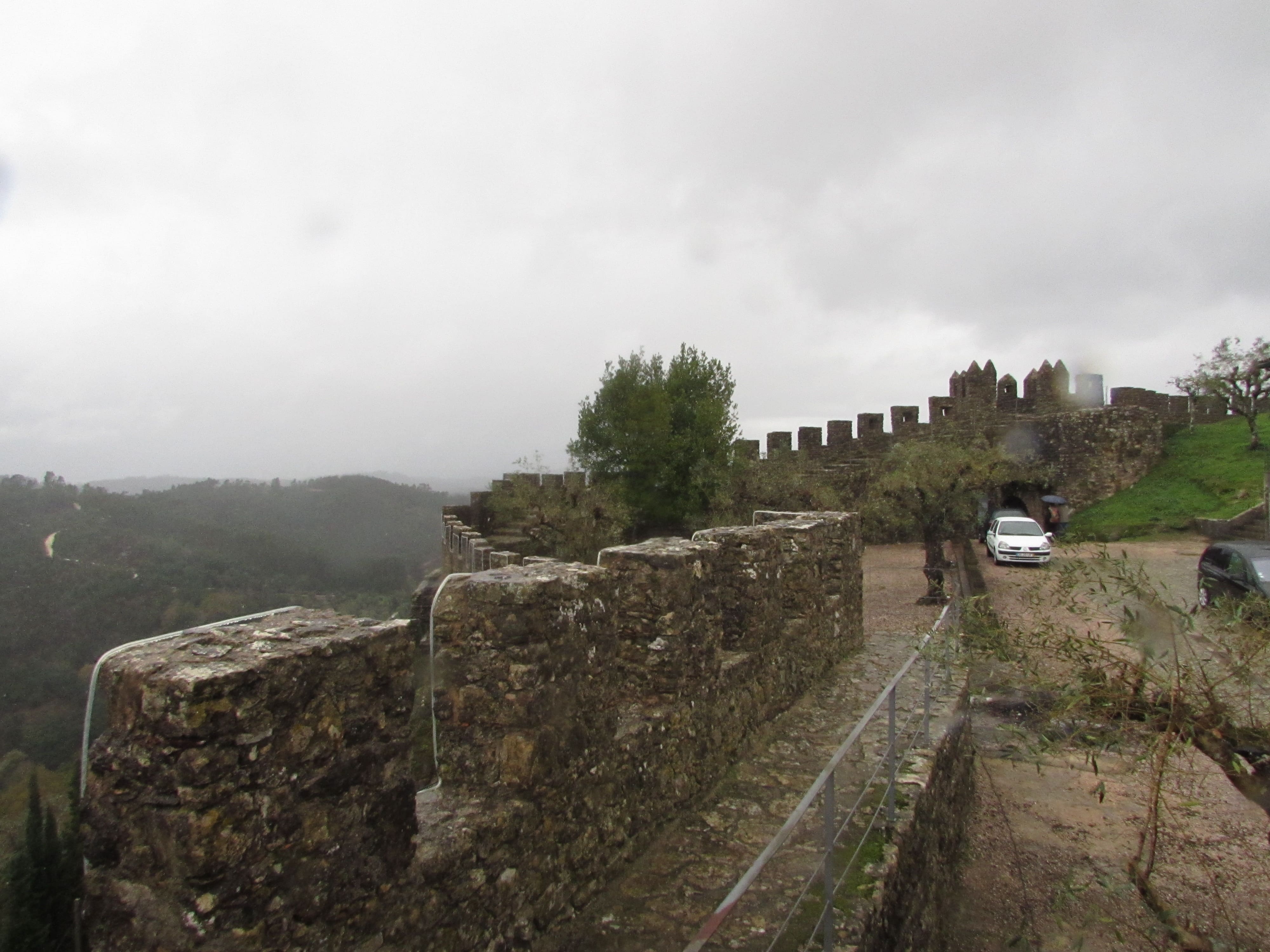
Penela Castle is a striking example of medieval military architecture. Its massive stone walls surround a spacious inner courtyard, and the keep—the main tower—offers panoramic views of Penela and the picturesque surroundings. The castle's construction incorporates various defensive elements characteristic of that era, such as battlements, crenellated walls, and fortified gates.
Visitors can walk along the fortress walls, explore the towers, and admire the remains of ancient buildings on the castle grounds. Thanks to restoration work, much of the original structure has been preserved, allowing guests to feel the atmosphere of the past and see the castle almost as it was centuries ago.
Cultural Significance
Penela Castle is not just a historical monument; it is closely connected with the identity of the town and its inhabitants. It is here that local festivals are held, legends are born, and traditions are preserved. Every year, medieval fairs and cultural events are organized within the castle walls, helping to preserve the heritage and unite the local community.